Britain’s top earners are leaving the country, reducing tax revenue
The top 1% of UK taxpayers contribute over a quarter of income tax revenue, but estimates suggest $160bn of wealth has left in the past two years.
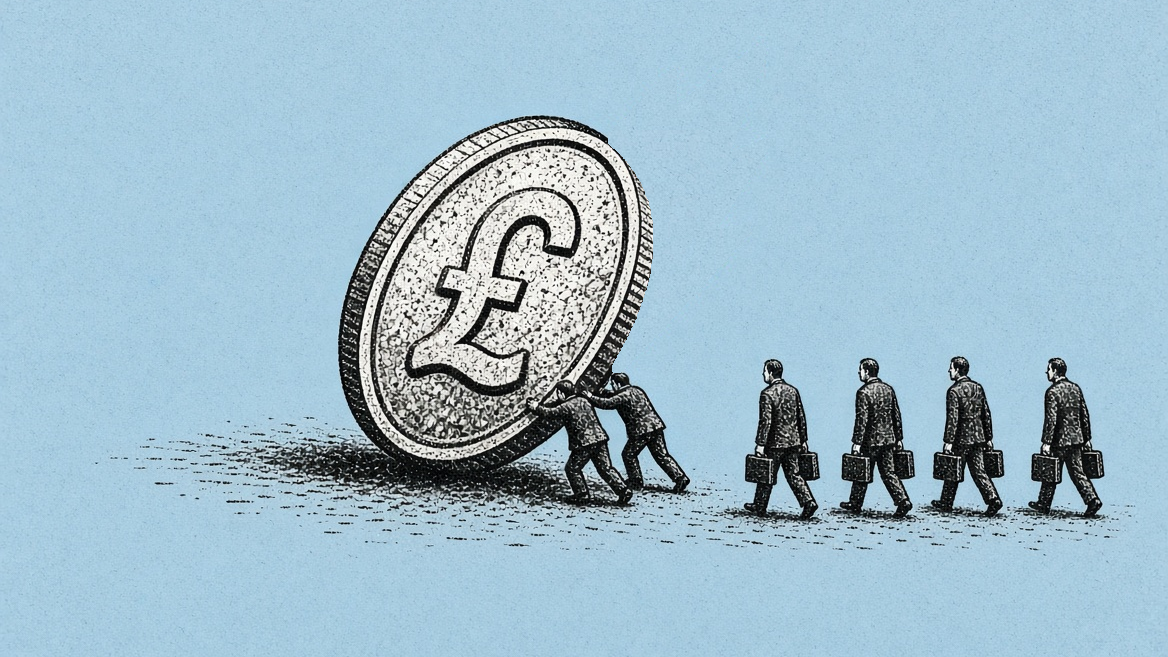
Britain relies on a small group of high earners to fund public spending. The top 1% of taxpayers accounted for 27.2% of all income tax in the 2023–24 tax year, according to HM Revenue and Customs (HMRC). The tax authority projects that their share will fall to 26.6% by 2026–27.
The concentration is even greater at the top. Around 4,000 taxpayers, representing the top 0.01% of income earners, pay an average of approximately £4 million each in income tax, accounting for around 6% of the total, according to The Spectator.
Meanwhile, some of Britain’s wealthiest residents have left the country. The United Arab Emirates and Monaco, neither of which levies personal income tax, are among their main destinations. Switzerland also attracts wealthy foreigners who do not work in the country through a tax regime that, under certain conditions, allows them to be taxed on the basis of their living expenses rather than their income.
On October 4th, Bloomberg estimated that billionaires who had left Britain or loosened their ties with the country over the previous two years held around $160 billion (£120 billion) in wealth. The list includes Lakshmi Mittal, the steel magnate behind ArcelorMittal; John Fredriksen, a Norwegian-born shipping tycoon; and Chris Rokos, the founder of the hedge fund Rokos Capital Management, who was Britain’s third-largest taxpayer last year.
The departures coincide with several tax changes introduced since the Labour Party came to power in 2024. These include the abolition of the non-domicile tax regime in April 2025 and changes to capital gains tax.
David Lesperance, a lawyer and former non-dom, told The National that the departure of billionaires can have a greater impact on tax receipts than the departure of millionaires.
However, Bloomberg’s estimate has been disputed. The Tax Justice Network, a campaign group that advocates higher taxes on wealth, argued on October 19th that the figure overstates the scale of the exodus. It said that half of the individuals on Bloomberg’s list had either left before the two-year period or were associated with wealth belonging to their wider families. It also estimated that only 24% of the $160 billion was actually based in the UK.
Official figures do not yet show the impact of the abolition of the non-dom regime. In the 2024–25 tax year, the last before the new rules took effect, the number of non-domiciled and deemed domiciled taxpayers fell by 1% to 81,900, while their combined tax and National Insurance liabilities rose by 9% to £13.6 billion, according to HMRC.
Figures for the first full tax year under the new regime, expected in 2027, should provide a clearer picture of whether the reforms have affected the contribution of wealthy taxpayers to Britain’s public finances.
By the same author


Share to: