Spain's frozen income-tax brackets have cost taxpayers €55.6bn since 2019
Inflation has pushed taxpayers into higher brackets without raising their purchasing power, a think-tank finds, days before a snap election.
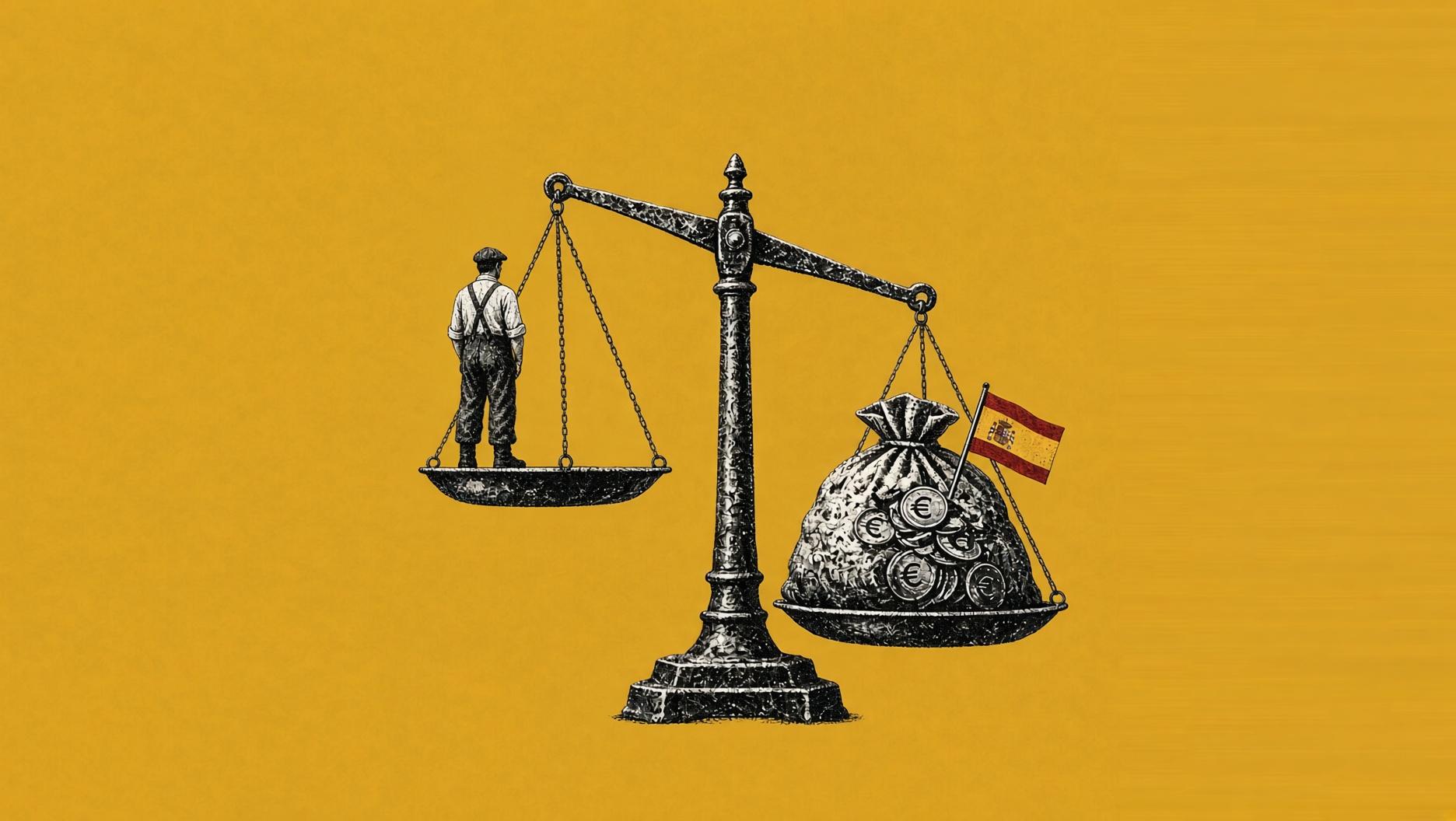
According to a study published by the Instituto Juan de Mariana, Spaniards have paid an extra €55.6bn in income tax since 2019 because the tax has not been adjusted for inflation. Of that total, €16.2bn falls in 2026 alone.
The effect, known as bracket creep, occurs when wages rise only to keep pace with prices: workers move into higher tax brackets and pay more tax, even though their purchasing power has not increased.
Since July 2018, shortly after Pedro Sánchez (PSOE, Socialist) became prime minister, prices in Spain have risen by 29.5%. Food prices have risen by almost 43%.
The study, by Diego Sánchez de la Cruz, compares the income tax paid in 2026 with what taxpayers would pay if the 2018 rules had been updated each year for inflation. A single worker earning €30,000 a year pays €937 more. A married couple with two children and one earner on the same salary pays €1,217 more. At €50,000, the difference ranges from €1,615 to €1,918, depending on family circumstances.
The study was released less than two weeks before the snap general election on November 29th. Mr Sánchez called the election after Congress rejected two housing decrees on October 2nd.
By the same author


Similar topics


Share to:
By the same author
Similar topics